The Great Nile MigrationSafaris · South Sudan
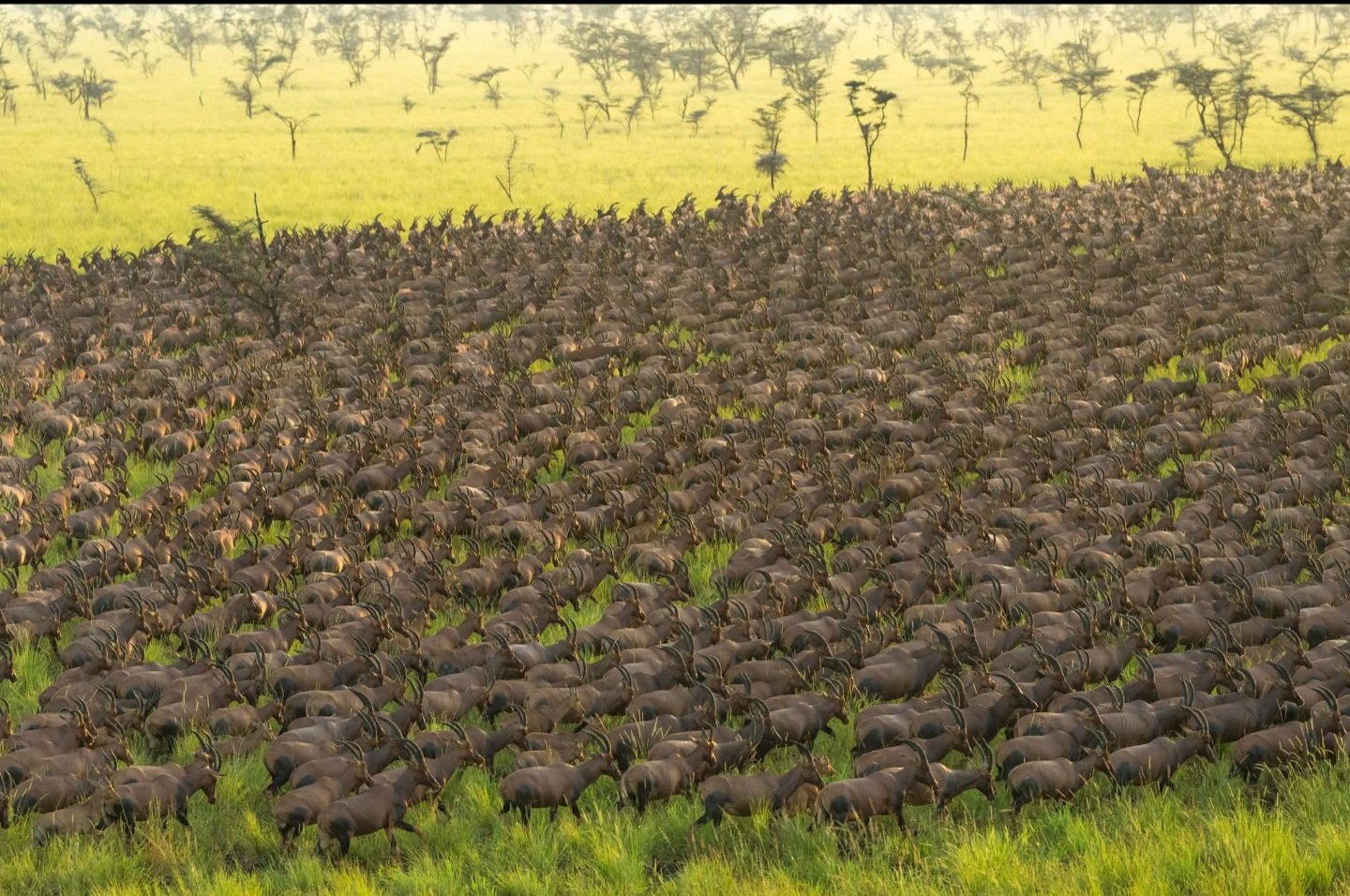
A vast herd of antelope moving across South Sudanese grassland

Understanding the Migration

The Great Nile Migration

Across the vast savannas and wetlands of South Sudan, an estimated six million antelope form one of Africa's largest wildlife movements — still unfolding, seen by almost no one. Travel with the people who know this land and be among the first to witness it.

What It Is

A River of Life Across the Savanna

The Great Nile Migration is the seasonal movement of vast herds of white-eared kob, tiang and Mongalla gazelle across eastern South Sudan. Following the rains and the grazing they create, the herds travel between the floodplains of the Nile system and the savannas of Badingilo and Boma national parks.

A comprehensive aerial survey estimated that about six million antelope traverse this landscape each year. Follow-up survey work has confirmed the Great Nile Migration as the largest known land-mammal migration on Earth.

What is certain is the experience: standing in open country as herd after herd passes, for hours, with no other vehicles in sight.

The scale is documented by aerial survey; the exact timing of wildlife movements still changes with rainfall and conditions each year.

UNESCO recognition

A world heritage landscape

In 2026, the Boma–Badingilo Migratory Landscape was inscribed as South Sudan's first UNESCO World Heritage Site. The recognition honours its extraordinary wildlife, vast connected ecosystems and the communities who have lived with this landscape for generations.

It is a natural wonder in the fullest sense — and its protection now carries global significance. For visitors, that means witnessing a living migration in a place whose importance reaches far beyond a safari.

Read the UNESCO World Heritage record
Where It Happens

Eastern South Sudan

The migration moves through a vast landscape of national parks, floodplains and wetlands in the east of the country, between the Ethiopian highlands and the White Nile.

Badingilo & Boma National Parks

Together these parks protect an immense sweep of savanna and woodland in eastern South Sudan — the core stage of the migration.

The Sudd Wetlands

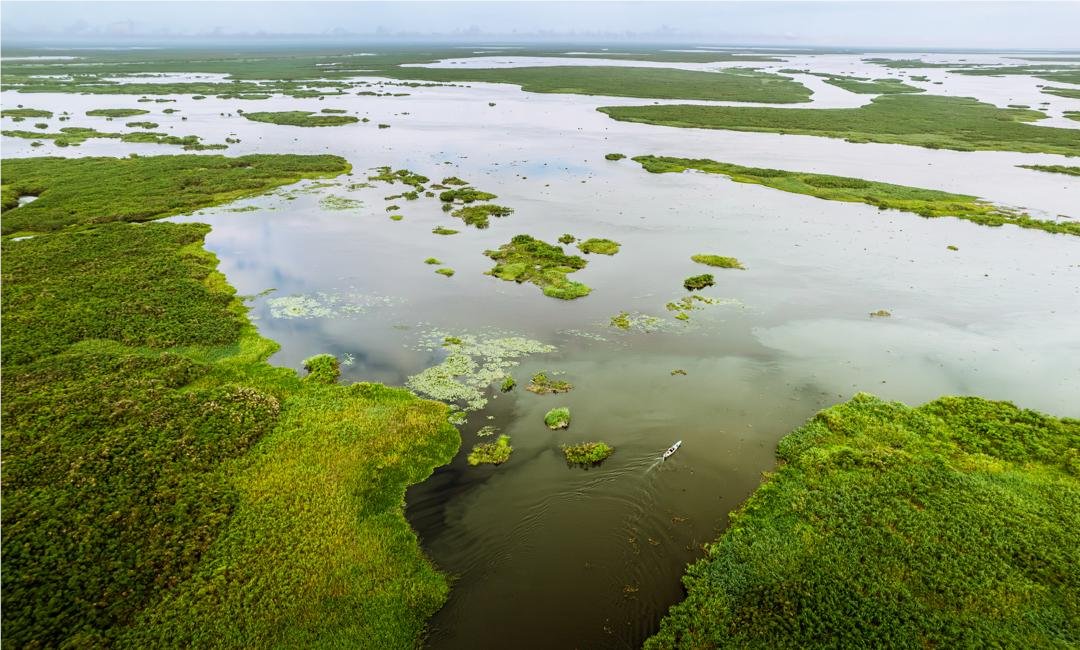
One of the largest wetlands on Earth: a labyrinth of papyrus, channels and floating islands formed by the White Nile.

Floodplains & Grasslands

Seasonal floodplains that turn from green pasture to golden grassland, driving the herds' ancient movement.

Migration Map — Coming Soon

An illustrated map of the migration route, seasonal movements and safari areas will be shared once it has been confirmed by the operations team.

The Wildlife

What You May Encounter

Every safari is different — these are the species that define this ecosystem. Sightings are never staged and never guaranteed; that is what makes them real.

White-eared Kob

The heart of the migration — moving in herds that can stretch beyond the horizon.

Tiang

A striking antelope of the open floodplains, often travelling alongside the kob.

Mongalla Gazelle

Smaller and swifter, gathering in huge numbers on the eastern plains.

African Elephant

Resident in the woodlands and riverine belts of both national parks.

Nubian Giraffe

One of the region's most graceful residents, seen among the acacias.

Lion & Hyena

Where the herds move, predators follow — sightings are earned, never guaranteed.

Shoebill Stork

The prehistoric-looking giant of the Sudd's papyrus channels.

Rich Birdlife

Wetlands and savanna together support an extraordinary diversity of bird species.

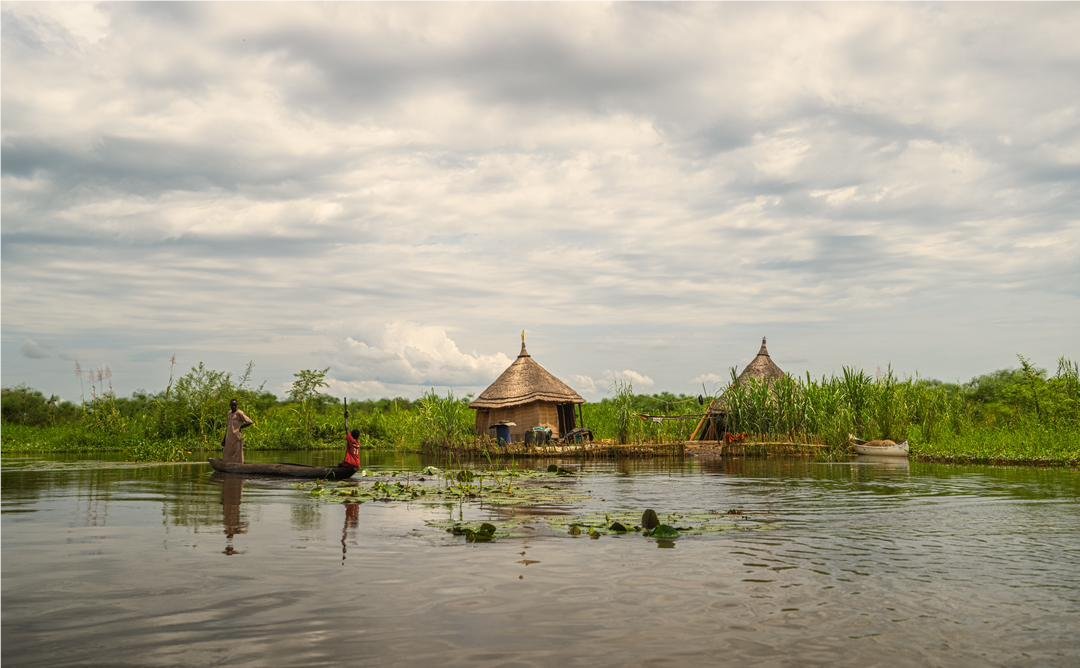
A canoe on the water near a wetland settlement in South Sudan

The Sudd — one of the world's great wetlands.

Aerial view of South Sudan's vast wetlands and waterways

Dawn over savanna woodland and river country.

The Best Time to Travel

The herds move with the rains, and the most rewarding windows generally fall in the drier months when wildlife concentrates and travel is practical. Exact timing varies year to year. The confirmed season calendar is coming soon, and the team will advise on conditions for your dates.

Why It Matters to the World

Great migrations are among the Earth's most important ecological processes — moving nutrients, shaping grasslands and sustaining predators and people alike. That a migration of this scale survives into the twenty-first century is extraordinary; that it is so little known makes it one of conservation's most important stories.

Responsible Viewing

We keep vehicles to established tracks where possible, hold a respectful distance, limit group sizes and never pressure wildlife for a photograph. Our presence is designed to prove that this wilderness is worth more standing than lost — and to support the communities who share it.

Ready to See It for Yourself?